
FinanceX Magazine: When a Hundred Thousand Books Change Hands
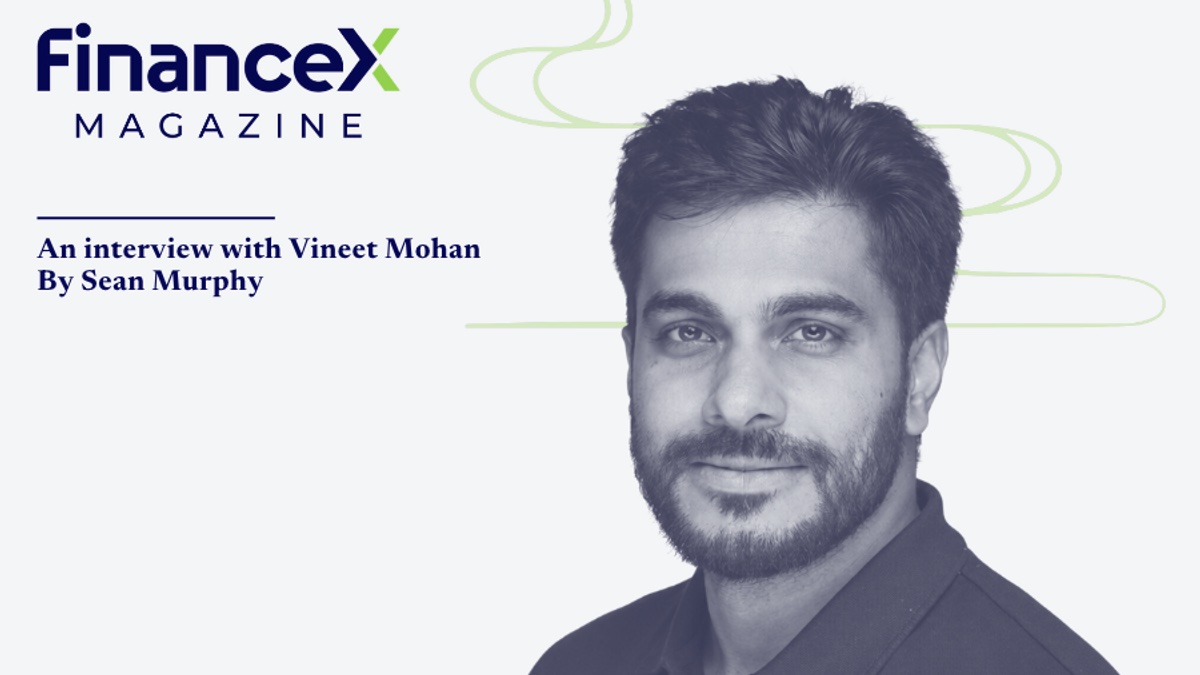
Over the next decade, more than a hundred thousand advisor books will have to move from one set of hands to another. In this FinanceX Magazine interview with Sean Murphy, our CEO Vineet Mohan explains why that handover is still mostly a data problem, and how FastTrackr takes the paperwork out of it so people can focus on clients.
FinanceX Magazine published an interview with FastTrackr AI founder and CEO Vineet Mohan on October 7, 2026, written by Sean Murphy. The piece looks at one of the biggest shifts facing the US wealth industry: the client books that will change hands as a generation of advisors retires, sells, or moves firms.
The scale of the handover
The article cites Cerulli Associates, which expects more than 100,000 financial advisors to retire over the next decade. That is around 37 percent of the industry's headcount and 41 percent of its assets. Each of those advisors has a book built over decades, and every one of those books will need to move to someone else.
For an advisor changing firms, the stakes are immediate. Their revenue is their client book, and until that book has crossed over, with accounts reopened and assets transferred, nothing comes in. The move can take months, and advisors typically lose 10 to 20 percent of clients along the way. Vineet describes the process as still being run on "spreadsheets and a prayer."
Why it is a data problem
Most of the difficulty is data. A team might carry hundreds of households, each with several accounts (individual, joint, retirement, trust), and the information is spread across a CRM, a performance system and a billing system. A change of custodian means reopening every account from scratch. On a move under the Broker Protocol, advisors can take five data points per client; on a non-protocol move they may be able to take nothing at all, and have to rebuild everything one intake form and one phone call at a time.
How FastTrackr handles it
The interview walks through how FastTrackr works end to end: it ingests structured and unstructured data, reconstructs households, and maps them to the right custodial forms, firm agreements and fee schedules for each destination. It then sends documents for e-signature and tracks every household through the move, showing advisors which relationships to focus on today. In one recent transition of a $200 million book, every signature envelope was out within three hours.
People stay in charge of client decisions
Vineet is clear that this is not about removing people from the process. FastTrackr was built alongside transition consultants and people who move books for a living. In his words, "anything that needs a decision on the client" is where a person takes over, and everything that should happen in the background does.
He also sees book transitions as a starting point. The same fragmentation shows up in onboarding, account maintenance and data migration, and the goal is a back office where that work simply happens, so teams can spend their time on judgment and relationships.
Coverage
This release was distributed over the wire and republished by the outlet below.