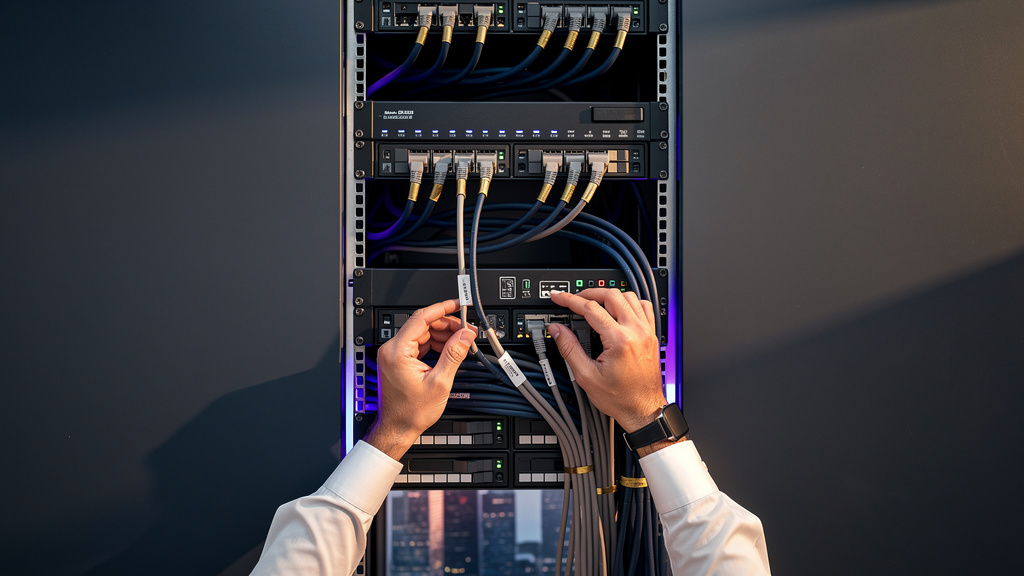
How Compliance Officers Are Using Automated Audit Trails to Survive FINRA Examinations

Compliance officers at firms handling advisor transitions are using automated audit trails to replace manual documentation reconstruction — turning FINRA exam preparation from a multi-week scramble into a same-day report export. The key shift: capturing every transition action in real time, not after the fact.
Key Takeaway: A FINRA examination doesn't fail because you did something wrong. It fails because you can't prove you did something right. Automated audit trails close that gap permanently.
FINRA's 2026 Annual Regulatory Oversight Report is nearly 90 pages. Compliance officers at firms handling advisor transitions should read it with one question in mind: if an examiner walked in today, which of these findings could they make about our operations?
Recordkeeping deficiencies appear over 50 times. That's the answer the data gives.
The compliance officers surviving — and passing — FINRA examinations are the ones who have stopped treating audit trails as documentation and started treating them as infrastructure.
What FINRA Examiners Actually Ask
Most compliance officers prepare for exams by assembling documentation. The smarter approach is to understand exactly what examiners are looking for in transitions, so the documentation already exists when they arrive.
The questions FINRA examiners ask about advisor transitions follow a predictable pattern:
"Show me your Written Supervisory Procedures for advisor transitions."
"What is your process for catching and resolving NIGOs?"
"How do you ensure client consent is documented for each transferred account?"
"Who had access to client data during the transition, and when?"
"Which third-party vendors handled client data, and what's your due diligence documentation on them?"
"Can you produce an audit trail showing each step of the transition for Account X?"
The last question is the one that determines exam outcomes. "Show me the audit trail for Account X" requires either: a system that logs every action automatically and exports it on demand, or a manual reconstruction effort that takes days and reveals every gap.
Compliance officers who have automated audit trails answer that question in minutes. Those who don't spend weeks trying to reconstruct what happened from email chains, spreadsheet timestamps, and custodian portal records.
The Five Things an Exam-Ready Audit Trail Must Document
Not all audit trails are created equal. A complete, FINRA-defensible audit trail for an advisor transition documents five things:
1. Every form action with timestamps. Which form was populated, by whom, when it was submitted, whether it was accepted or rejected, and when the resolution was completed. Every step, timestamped.
2. Every access to client data. Role-based access control logs showing who accessed which accounts, at what time, with what authorization level. "I don't know who accessed that" is not an acceptable answer.
3. Every NIGO event and its resolution. NIGO date, custodian, rejection reason, resolution action, resubmission date, final outcome. FINRA expects this for every rejection — not a summary, but a per-account record.
4. Every client consent interaction. Client notified, date, method, response. E-signature authentication records. State-specific consent requirements documented per account.
5. Third-party vendor oversight documentation. Which vendors handled client data, their SOC 2 status, the data handling agreements executed, and how access was controlled and revoked.
Manual operations can document each of these — but not across 500 accounts, 5 custodians, and 15 simultaneous transitions without gaps. The gaps are what examiners find.
Why Manual Documentation Fails at Transition Scale
The math is simple and unforgiving.
A transition consultant managing 15 simultaneous transitions with an average of 300 accounts each is managing 4,500 accounts. At a 20% NIGO rate, that's 900 NIGO events requiring individual documentation. Each event needs six data points captured. That's 5,400 manual entries — on top of the normal workload of managing the transitions themselves.
Nobody does that consistently. The documentation degrades. The audit trail develops gaps. The gaps become exam findings.
Automated audit trail platforms solve this not by asking people to document more carefully, but by removing the documentation task from people entirely. Every action the system takes is logged by the system. The audit trail is a byproduct of the workflow — not an additional step at the end.
What Automated Audit Trail Systems Provide That Manual Systems Cannot
Real-time capture, not reconstruction. Every action logged as it happens. No end-of-day documentation catch-up.
Account-level granularity. Every audit trail query returns account-level data — which form, which custodian, which action, when. Examiners can ask about Account X and get a clean record.
Exportable compliance reports. The audit trail exports as a formatted report. What takes a manual operation two weeks to reconstruct, an automated system delivers in two minutes.
NIGO event documentation built into the resolution workflow. When a NIGO occurs, the audit trail entry is automatic: rejection reason, timestamp, notification sent, resolution steps, resubmission confirmation. The documentation doesn't depend on a person remembering to log it.
Vendor access documentation. System-level logging of which vendor accounts accessed which data, with timestamps that align with the data handling agreement terms.
FastTrackr AI's platform delivers automated audit trails as a core function — not a compliance add-on. The 95% NIGO reduction also means 95% fewer NIGO documentation events to manage. Fewer NIGOs = fewer audit trail entries = cleaner records.
Building a FINRA-Ready Compliance Stack for Transitions
The 2026 regulatory environment has added three requirements compliance officers need to address specifically for transitions:
Generative AI tool documentation. If AI tools are used anywhere in the transition workflow — form population, document review, status tracking — FINRA 2026 guidance requires documentation of those tools, their governance, who authorized their use, and what oversight exists. This is new territory for many firms.
Regulation S-P compliance by June 3, 2026. Smaller firms must comply with updated data protection safeguards: encryption at rest and in transit, access controls, incident response procedures, and vendor oversight for all parties handling client PII. Every transition technology vendor needs a reviewed and signed data handling agreement.
Consolidated Audit Trail (CAT) requirements. Equity and options accounts moving during transitions have CAT reporting obligations. Automated systems that log these transactions support CAT compliance without additional manual reporting.
The Competitive Advantage Compliance Officers Don't Talk About
Firms with strong transition compliance programs close business faster.
When an RIA or advisor evaluates a new broker-dealer or custodian, they ask about compliance. "How do you handle FINRA examinations?" is a real question in those conversations. A firm that can say "our transition audit trails are automated and we've never had a recordkeeping finding" is saying something meaningfully different than a firm that says "our compliance team reviews everything."
Automated audit trails aren't just about passing exams. They're about doing business with advisors who understand what a bad exam outcome costs their new firm — and choosing partners accordingly.
Frequently Asked Questions
What is an automated audit trail for advisor transitions? An automated audit trail is a system that logs every action in an advisor transition — form population, submission, acceptance or rejection, NIGO resolution, client consent, data access — with timestamps, without requiring manual documentation. The log is account-level, exportable, and continuous, providing a complete record for FINRA examinations without reconstruction effort.
Why do FINRA examinations find recordkeeping deficiencies in advisor transitions? The 2026 FINRA oversight report flagged recordkeeping deficiencies over 50 times because transitions involve high volumes of account-level actions across multiple systems and vendors, and manual documentation processes cannot capture all of them reliably. Gaps appear in NIGO records, client consent documentation, vendor access logs, and form submission trails — exactly what examiners check.
What does Regulation S-P require for transition technology vendors? Regulation S-P requires firms to implement safeguards for client data handled by third-party vendors, including: data handling agreements specifying use and retention, encryption at rest and in transit, access controls with logging, incident response procedures, and a process for revoking vendor access post-transition. The compliance deadline for smaller firms is June 3, 2026.
How long does it take to produce a transition audit trail for a FINRA examination? With automated audit trail systems, producing an account-level audit trail report takes minutes — the system exports it on demand. Manual documentation reconstruction typically takes days to weeks and reveals gaps that become examination findings. The difference in preparation time is a direct function of whether documentation was captured in real time or after the fact.
What new FINRA requirements apply to AI tools used in advisor transitions in 2026? FINRA's 2026 guidance requires firms using generative AI tools in their transition workflow to document: which tools are used, the governance framework applied, who authorized their use, what oversight exists, and how their outputs are reviewed before action. Firms without this documentation for AI-assisted transition processes face a new category of examination finding.